

 Italiano
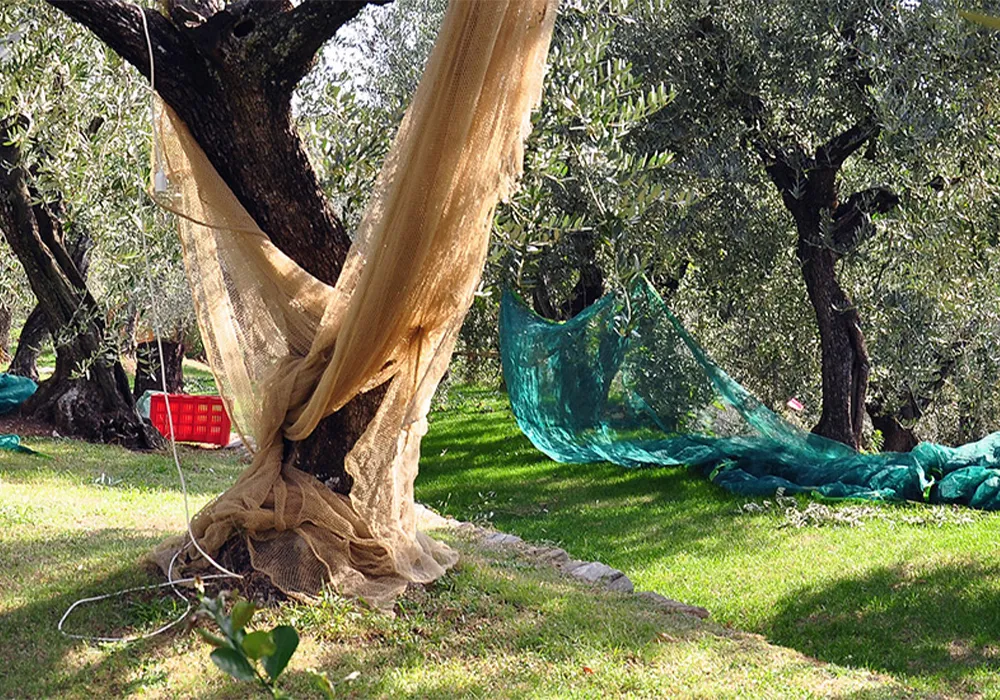
Extra Virgin Olive Oil
Although the correct dating of the oil’s origin remains shrouded in mystery, some scholars date it back more than 6,000 years to the Middle East where, at least originally, olive oil was used as a medicine or to fuel lamp fires.
Around 4,000 B.C. the cultivation of the plant was always started in those lands, and around 2,500 the Babylonian code of Hammurabi dictated the first rules concerning the production and trade of olive oil. Several centuries later and thanks to the Greeks, olive cultivation grew in importance and began to spread steadily throughout the Mediterranean basin.
With the extension of Rome’s rule in the Mediterranean, the development of olive cultivation became unstoppable with the spread of the plant throughout the controlled territories With this new impetus, the various production processes improved with a consequent increase in the spread of the finished product that also reached the tables of northern Europe.
With the collapse of the Roman Empire, olive cultivation fell into disfavor for a long time, and for centuries olive groves were found only in a few geographical areas, interrupting what until then had seemed an unstoppable development.
Around the 12th century olive groves revived in Italy thanks to the decisive impulse of the new commercial bourgeoisie, which, in addition to the pleasantness of the “end result” soon understood the economic value of the oil trade. As early as the 1400s, Italy had become the largest producer of olive oil, offering an extraordinary oil that graced Renaissance tables throughout Europe.
In Tuscany, the development of olive-growing lands was greatly encouraged partly due to the Medici family, which decided to encourage the transfer of hilly lands to municipalities with the obligation to rent them at minimum prices if they were transformed into olive groves and vineyards.
Local trade spread rapidly, and olive cultivation grew with a conspicuous presence from the first half of the 15th century in the Lucca area and plantings of actual olive groves in the Pisan hills. Also in the 15th century, in the Pescia area, oil production exceeded 400 quintals allowing the first commercial exports to neighboring areas.
In our land, the transformation of fields and hills into olive groves and vineyards grew unabated, and the olive spread throughout the territory from the hills around Siena to the Arezzo area to the wonderful lands that encircled Florence.
In the early 15th century probably only Lucca had enough production to allow it to export oil, but a couple of centuries later oil from the rest of Tuscany also began to be traded outside the regional borders through the port of Livorno.
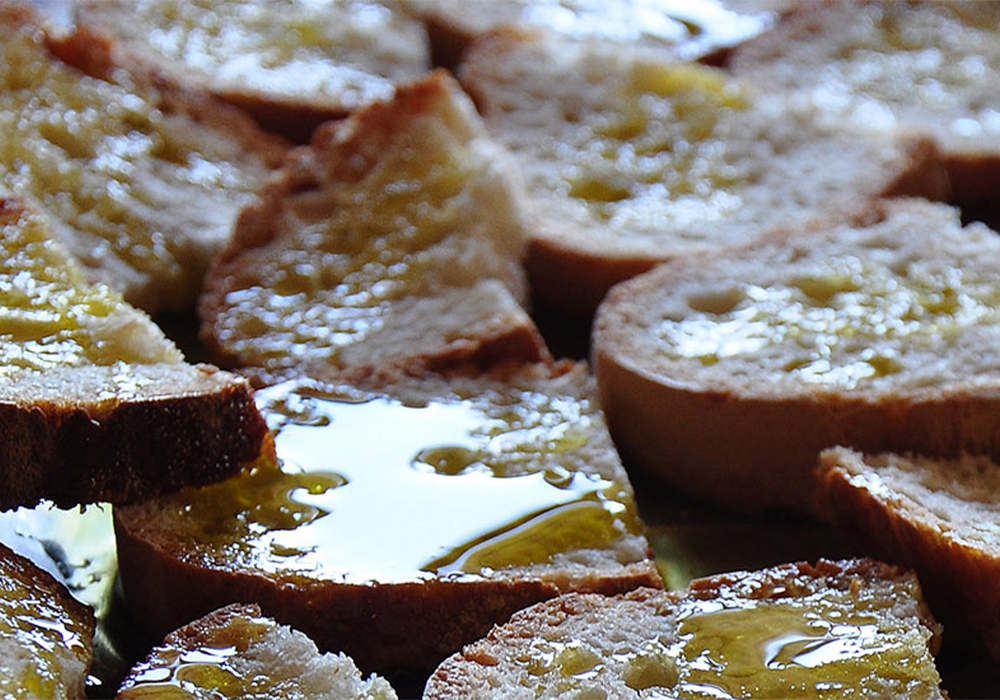
The quintessential Tuscan Oil is an Extra Virgin Olive Oil of absolute quality that is characterized by a very strong link with the territories of production. It is not an easy path that leads to the qualification of authentic Tuscan Extra Virgin Olive Oil and to reach this goal the final product undergoes rigorous chemical and sensory examinations. Only if successfully passed will that oil be able to boast the recognition of 100% Tuscan Extra Virgin Olive Oil.
Since 1998, Tuscan Extra Virgin Olive Oil has been protected by the Protected Geographical Indication in accordance with the relevant Production Regulations, which safeguard product traceability and quality. The first condition to be recognized as PGI is that all stages of its production must take place strictly within the territories of the region.
Depending on the areas of cultivation, Tuscan olive oil can take on absolutely different organoleptic characteristics, with distinct variations in flavor, offering the consumer a wide range of aromas, from fruity to bitter to spicy or “pinchy.”
Whatever its organoleptic characteristics, Tuscan olive oil is an excellence of our gastronomic tradition in Italy and around the world.
I almost always add a dash of raw EVO oil to my dishes. I choose different oils based on the cooking and the dishes themselves.
In addition, I assume you know that EVO oil contains lots of excellent vitamins that can also be “harnessed” for external use. Of course, usually EVO oil is not saponified. But add caustic soda and you get two components: soap and the unsaponifiable fraction, simply that part of the fat that does not saponify.
This fraction is very rich in vitamins and is a real panacea for the skin. You can also buy it in herbalist shops. In any case, having skin that tends to be dry I add a drop of EVO oil to my cream in the winter.
Another idea? Take coarse sea salt, add EVO oil and give your whole body a nice scrub. If you do it in the bathtub, fill it with warm water afterwards and enjoy this beneficial pampering: the salt helps eliminate excess fluids, and the oil not only prevents your skin from becoming dehydrated, but also performs the emollient and nourishing action.
 Artisans
 Catalogue
 Special offers
 About us
 Contacts
 Blog