

 Italiano
10 typical Tuscan products
Finocchiona is the most typical and characteristic cured meat of Tuscan cuisine. It has a unique flavor thanks to the aroma of fennel that is used in seeds and/or flowers in the mixture and a soft texture. The combination of the best certified Italian meats and the artisanal recipe give rise to Finocchiona IGP, which mandatorily bears the abbreviation IGP or the words ‘Protected Geographical Indication’ on the package. It should be tasted with Tuscan bread.
The Cinta Senese, a breed with ancient origins known for its hardiness and adaptability to breeding in the wild in the forest or pasture. It feeds on the fruits of the forest, grass and cereals. The territorial particularities determine the unique characteristics of this animal’s diet by determining the taste of the meat, which is protected by a DOP, or Protected Designation of Origin.
An animal that weighs 40-50 kg at a young age grows to weigh up to 300kg in adulthood. The meat is very versatile, it is used both in the fresh version, cooked on the grill, in the pan, on the spit or in the oven, but also processed like cured meats: from fresh sausage from prosciutto, buristo to soppressata, capocollo, pancetta or spalla. And how can we not taste the Ragù di Cinta Senese? Pappardelle or penne are perfect for enjoying it.
The Lardo di Colonnata, is a highly prized cured meat with a protected geographical indication (PGI), whose name originates from the village of the same name located on the rugged slopes of the Apuan Alps, in the municipality of Carrara. Made from pork lard, it is cured in basins of the prized Carrara marble, where it acquires all its exclusive goodness through the action of time and the precious salting to which it is subjected by the hands of skilled and expert workers. Its flavor is delicate and fresh, almost sweet, enriched by the aromatic herbs and spices used in the salting process.
The conche, previously rubbed with garlic, are stored in temperature- and humidity-controlled environments so that the finished product takes on unique characteristics. However, sea salt, fresh Massese garlic, rosemary, cloves, nutmeg, cinnamon, ground black pepper and star anise cannot be missing for curing. The vat filled to the brim is covered and, after careful periodic checks, is reopened after a period varying from six to ten months later and in any case when the seasoning is complete.
It is best enjoyed simply sliced: taste it without bread anyway, you can fully appreciate the complexity and elegance of this cured meat with its rather unique flavor. And while the other Tuscan cured meats are perfect for pairings with Sangiovese-based red wine, where the pronounced acidity that characterizes the grape balances perfectly, Lardo di Colonnata should be paired with bubbly, preferably Metodo Classico, possibly rather dry and complex.
Tuscan Salami is a cured pork sausage with the use of spices, with a firm texture and a very intense aroma and flavor. The lean parts of the pig (ham, shoulder, neck) are used; they are finely minced and combined with the fat from the back region cut into cubes and then mixed with seasonings: salt, peppercorns, red wine, garlic. It is stuffed into casings and seasoning lasts from 20 days to 12 months depending on its size. Perfect to be enjoyed with Tuscan bread and Sangiovese-based red wine.
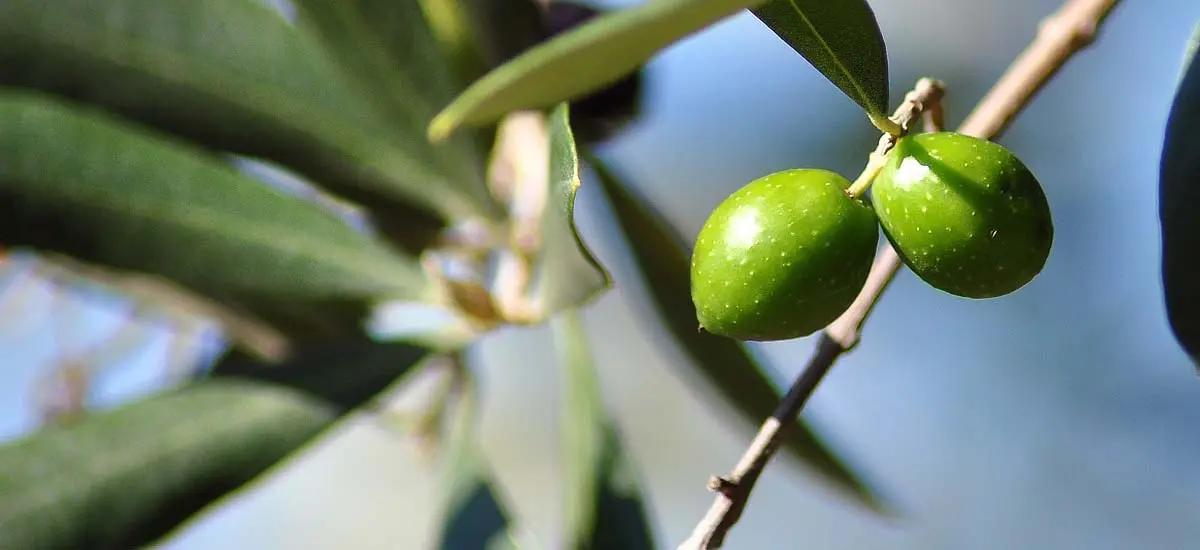
Tuscan Extra Virgin Olive Oil (EVO) PGI, expresses strong authenticity, typicality and territorial ties. Certified by the EU PGI (Protected Geographical Indication) seal, it is subjected to the rules of a strict production specification. To facilitate its recognition it is marked with special Toscano IGP stamp. Undoubtedly it is one of the most appreciated foods on the world food and wine scene.
It has a strong, intense flavor and finds its perfect use in typical Tuscan cuisine, where simple, genuine but well-presented flavors enhance the raw materials. To enjoy it at its best use it raw: simply on Tuscan bread, on bruschetta, on panzanella, on steak, on pappa al pomodoro, it can only express itself at its best and give you the fullness and freshness of its flavors. Use it raw!
I Pici are a type of pasta generally made by hand, similar to spaghetti but wider, typical of southern Tuscany, particularly Val d’Orcia, Val di Chiana, and Monte Amiata. The ultimate territorial expression: Pici all’Aglione. We have also proposed a revised recipe Pici all’Aglio. The origin of the name is lost in time and many hypotheses have been formulated regarding its etymology. Some even trace it back to ancient Roman times and the figure of the mythical Apicius, the author in the first century of “De Re Coquinaria.” According to others, the name Pici is linked to the town of San Felice in Pincis, near Castelnuovo. For still others, the name Pici would derive from the verb “to stick,” because of the way they are pulled by hand.
As evidence of their very ancient history, a fresco in the “Tomb of the Leopards” in Tarquinia shows that the Etruscans ate a dish very similar to Pici. A bowl filled with long strands of pasta. Could these have been the ancestors of Pici, of spaghetti? What if the ancient land of origin of our national dish was actually Tuscany? Who knows, we remain with this unresolved question and proceed further.
Classic recipe of the Tuscan culinary tradition are the Pici all’aglione della Valdichiana, which is not simply a dish prepared with the abundant use of garlic but requires the use of a specific type: Aglione della Valdichiana DOP, so much so that in January 2017 the association for the protection and enhancement of the Valdichiana Aglione (Allium Ampeloprasum var. Holmense) was established by the will of 23 producers and 9 municipalities.
Cantucci, are typical sweets whose origin is claimed by many major Tuscan cities from Prato to Siena, to name the best known, and is traced back to around the 16th century. For some, the name derives from “cantellus,” which in Latin means “piece or slice of bread,” or a salted galette that Roman soldiers had during war. For others, the term cantuccio originates from “canto,” corner, small part referring to the cut size. These exquisite cookies are found since the second half of the 1500s at the Medici court it seems still in the version without almonds.
About a century later the Accademia della Crusca came up with the first definition of “cantuccio” referred to as a “sliced cookie, made of flour, with sugar and egg white.” It was not until the end of the 19th century, in the version most widely used today with almonds, that cantucci began to be produced throughout the region, which in 2016 obtained the recognition of Protected Geographical Indication, PGI referring to the entire administrative territory.
Tuscan tradition calls for cantucci to be eaten by “dunking” them in Vinsanto, a sweet wine typical of the area. But please, don’t do it with excellent cantucci and a quality Vinsanto, rather accompany them. You will best appreciate flavors of both without devastating the craftsmanship of producers who put love, passion and commitment into their creations.
The Ricciarelli of Siena, whose history is full of a fascination bordering on legend, are sweets that have always been prepared in Siena and the surrounding area. Their origin is believed to be closely related to marzipan and the Orient from which it arrived in the courts of Europe beginning in the 25th century. But how did marzipan set foot in the city of the Palio? According to the most accredited historical sources, marzipan had been brought to Siena as it was throughout Europe from the Burmese city of Martapan, hence the origin of the name; according to others, the name of this sweet would derive from the typical containers in which it was stored in Arabic called “mauthban.”
Whatever the origin of marzipan’s name you may be wondering what this has to do with Ricciarelli. Into our tale comes the figure of Ricciardetto Della Gherardesca who, according to legend, brought these sweets, shaped “curled” like a sultan’s shoes, to Siena on his return from the Crusades. The recipe for these sweets was handed down over the years, indeed over the centuries, enriched according to the “new” and successful Sienese version with sugar coating as was the case with Panforte.
About Panforte, or Torta di Siena, one could spill rivers of ink. Consumed especially at Christmas time, that irresistible mixture of almonds, honey and spices is a real treat for Italians and all those who are lucky enough to taste it. It is almost certainly the best known and oldest of the spiced breads, and regarding its origin, to be placed in the late Middle Ages, it is said that the first example of panforte was produced by Berta, a nun who made a focaccia by kneading honey, flour and candied fruit, along with a wide variety of spices including ginger, cinnamon and the nutmeg.
Since the Middle Ages, the recipe for panforte has not undergone major changes, and among the best-known and most popular variants are the white and chocolate versions. The former, characterized by the icing sugar finish, was first prepared in honor of Queen Margaret of Savoy who came to Siena in 1879 for the Palio, and hence the cake is also called Panforte Margherita.
Panpepato on the other hand is a variation of panforte where the ingredients change slightly. Try it with blue cheeses-a great pre-dessert or alternative to dessert and they go together perfectly.
Copatas. According to popular tradition, the first step that led to the “invention” of the Copate must be attributed to the nuns of Montecelso, already known for the birth of the Panpepato. These ingenious sisters, having heard that their “colleagues” from the Convent of San Baronto in Lamporecchio (we are still in Tuscany of course…) were producing religious wafers making them softer and more pleasant with the addition of small doses of honey, inspired by the Abbess reworked the recipe by coupling two wafers held together by a thin layer of honey. These sweets, in the early days known as “nebulae,” immediately deserved for their goodness a place of honor on feast days.
Copatas in the version known and appreciated today were finally arrived at with the enlightened intervention of a monk from the Abbey of Monte Oliveto Maggiore, who mixed together sugar, honey and toasted and ground walnut kernels, finally cooking everything over moderate heat. Once cooled, the mixture, which had become dark from caramelization, was spread between two wafers. In later versions cocoa was added and in more recent times egg yolks whipped to make the mixture almost white.
Purchase our Box 10 Tuscan Prodortti.
Also read the article The Montecatini Waffles.
Follow us on our Instagram page
 Artisans
 Catalogue
 Special offers
 About us
 Contacts
 Blog